It has taken me nearly two years to finish this piece. If you’ve asked me “why haven’t I seen any writing from you recently?” This is why. It is hard to articulate, I cannot possibly convey it all, but I’ll try. I fell in love.
I think I’ve over-used that term in past descriptions of my travels. I really did love everything at the time, but Avignon is finding the one. Everything in the past was merely a crush, a summer fling, a sweet memory, a good-for-now partner.
I stayed one month in an apartment in the north-west corner of the city by the Porte de l’Oulle gate. In that time I got to know the old town of the city intimately. Of course modern Avignon stretches far beyond the medieval walls that surround the faded yellow stone structures inside. But inside the embrace of those walls, I got to know almost every street and corner.
Like most pre-modern cities, Avignon was built when cities were meant to be walkable, knowable. Surely you will never meet every resident, but you’re likely to know every street. I believe I strolled through them all.
There are plenty of guides for the what-to-sees and what-to-do’s in Avignon. This is not that.
This is an amalgamation of the month I spent here, a snapshot of one day pretending to live like a Provençal local.
Avignon is unique from most French cities in that her medieval walls still stand proud surrounding the maze of human-scale streets. The glossy stone passageways that lead from the central square to the market was my favorite part of the town to explore. Shops with tapenades, truffles, and cheeses surround small plazas where people sit and sip spritzes. People watching is a pastime here.
If Avignon isn’t true love, I’m a fool.
This article was made possible with the support of the Vaucluse Tourism Department

This will all end
Every day I woke up I remembered this would end soon. This wasn’t my home, this isn’t my way of life, and I’m not even fluent in the language. But damn if I didn’t immediately do my best to forget.
It felt so natural to open the shutters in the high-ceiling apartment to let in the southern light. I stared out the floor-to-ceiling windows at the yellow buildings that lined the street below. With early morning sounds of deliveries and laundry, the smells of roasting food, the sight of the sun lighting up the ancient stones – I don’t know a better way to start a day.
The espresso machine dispensed my much needed caffeine to wake up. I pulled out the prosciutto – from Italy of course – laid out the disks of local goat cheese, and chose from one of the many spreads of tapenade, truffle, pistachio, or pesto – and made a decadent piece of gluten free toast.
Breakfast is a light affair here. Some simple meats and cheeses, or some bread to satiate the night’s hunger, espresso to awaken the mind, and if you’re a true European, a smoke. I’m unfortunately an American, so no tobacco for me.
Lunch and dinner are the real showstoppers. Breakfast exists as a cursory stopover on a long culinary journey. Don’t waste your time here, we are aiming for better lodgings.
After checking my emails, editing an article, and writing half a page I’ll probably delete later, it is time to take a quick stock of my kitchen. Do I need wine for my coq-a-vin? Are we missing garlic or shallots for the sauce? Am I buying a whole chicken for my stock?
Then I aim towards the market.

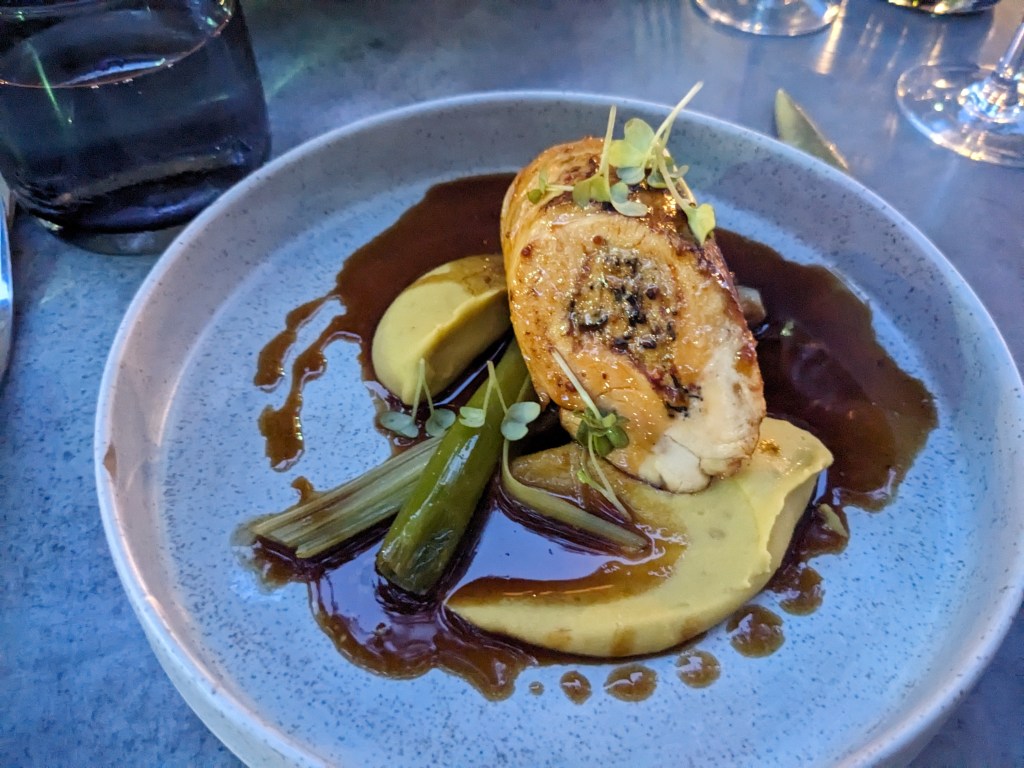
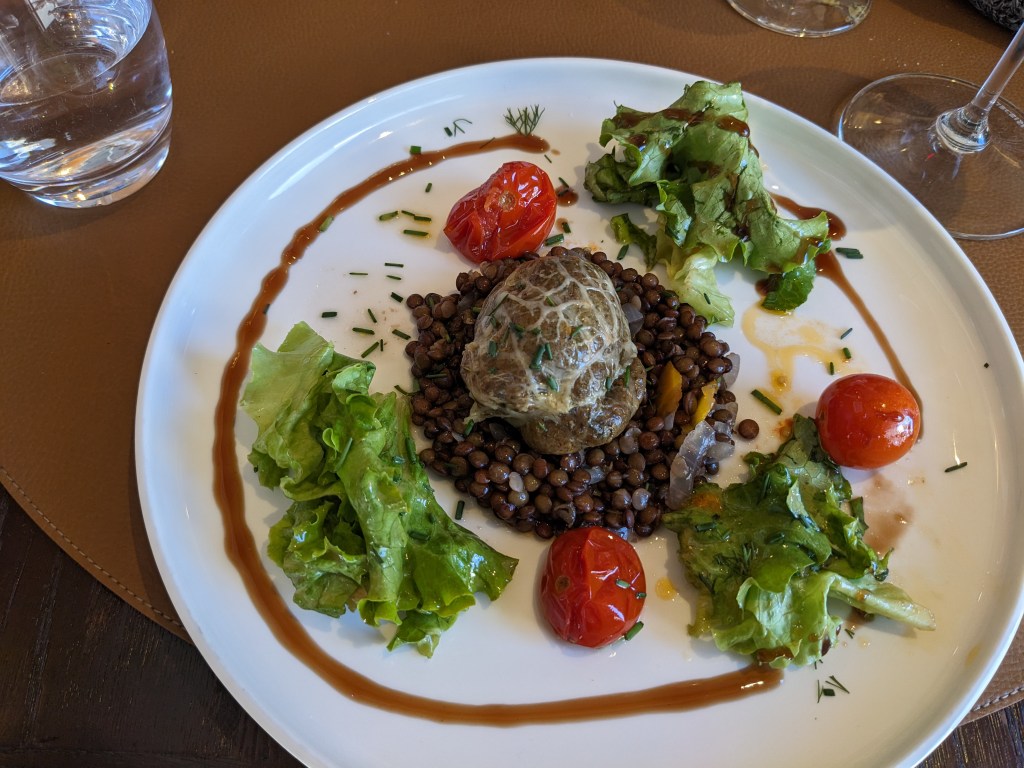


I don’t think I’ve ever taken so many food pictures before in my life.
I walk down the narrow, dark stairs and yank shut the ornery door behind me. The rustic charm of these unwieldy keys was just about the only thing that irritated me. I check out the cafe next door. If they’re putting out eggplant parmesan, I know what my lunch will be. Some days when I’m feeling extra tired, I’ll pick up my second espresso here. Construction workers form a line out the door – renovations across the street are taking longer than expected – but business in this small cafe is booming as a result.
I’m not in a hurry. I never am here. Such a contrast to living in Los Angeles. Everyone is always on their way somewhere, presumably somewhere more important. Not here.
I catch myself staring up at the three and four story medieval buildings. I walk just up the sloped street and pass the ruins of a Roman-era apartment. The sun is unusually brutal but the narrow streets let the Mediterranean breeze flow through the city.
Cool linens, light colors, and well tailored shorts dominate the fashion scene. Everyone is well dressed.
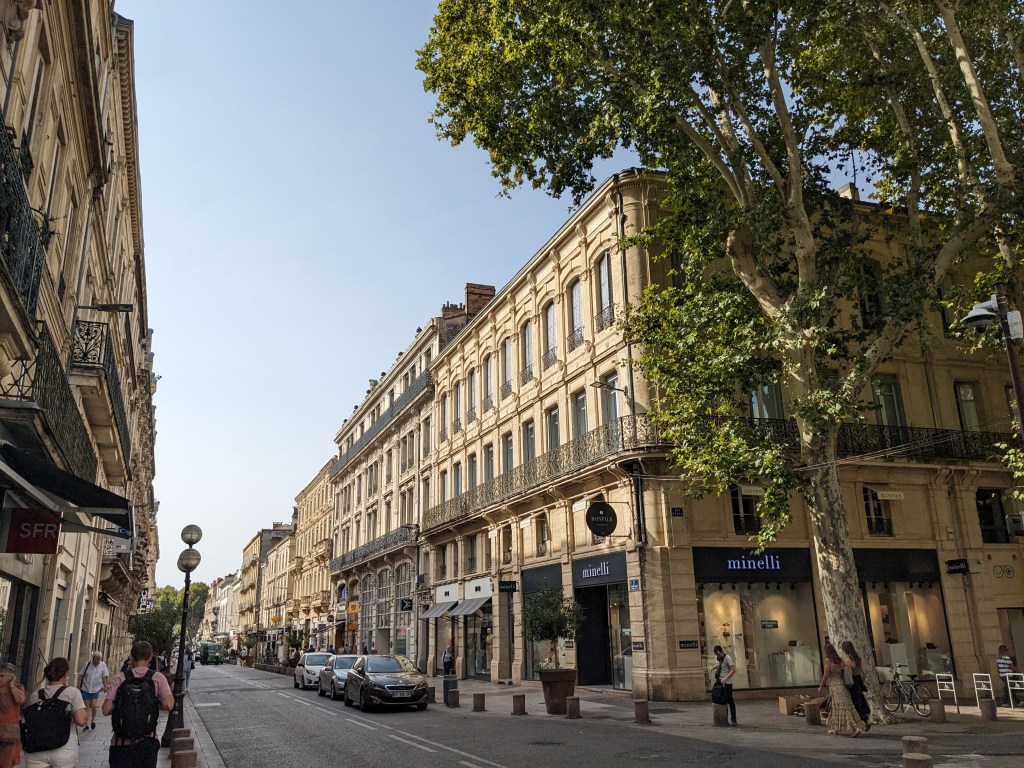
My steps fall lightly on the uneven stones. Nearly everything is accessible by walking fifteen minutes. The average European is so much more active than the average American just by the nature of the cities. Cars are simply impractical.
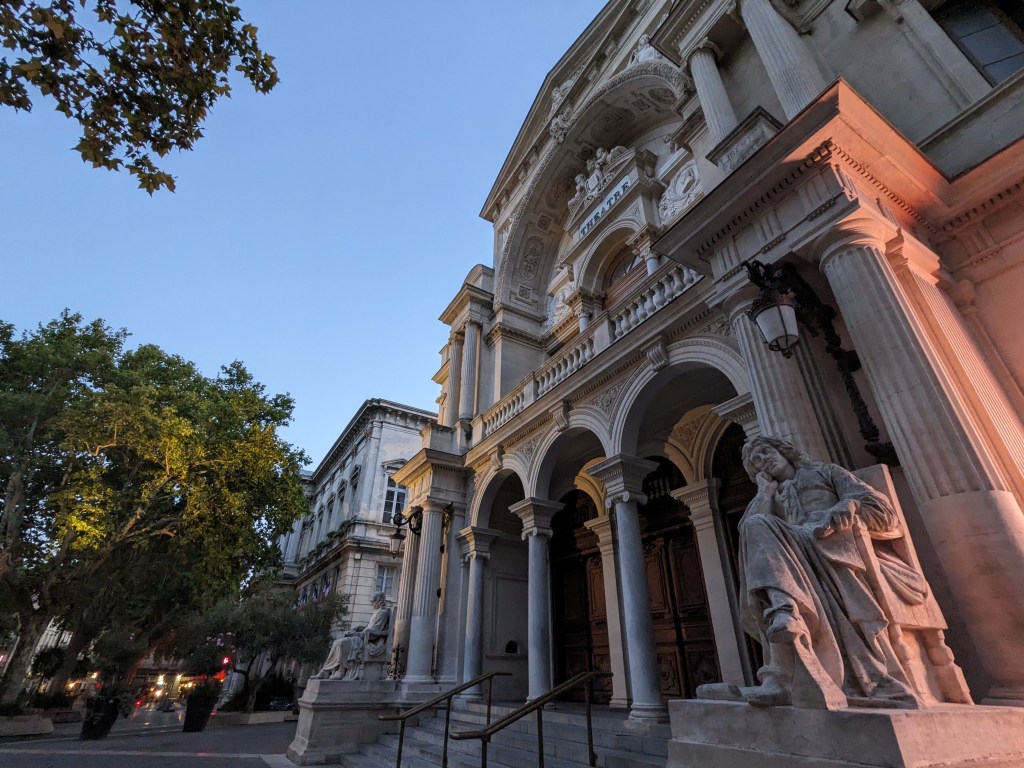
I turn a corner by the Opera building. On some days I hear resounding voices echoing from practice chambers throughout this street. Those moments are magical.
As I continue, the main plaza emerges. Servers are busy setting tables and tour groups are assembling under signs waving in the air. This is both the heart and the most touristy part of the city. I don’t mind, it never got overcrowded and I don’t eat on the main plaza anyway.
I avoid the small but growing crowds. I’m not here to jump from sight-to-sight. I want to imbibe in the morning market and hide amongst the locals. I want my French to be so good they don’t know I’m not from here. I want to make friends, find hidden streets, and write in small cafes that are not on the travel guides.
On one hand, this is all a fantasy. This isn’t my real life. On the other, here I am. Experiencing it.

At the central market I spy some overripe figs and pick up a basket. The local goat cheese disks are speaking to me. Some white wine sounds nice.
The best market stall, among many incredible choices, roasts whole chickens. The fat drips onto the cut up new potatoes underneath. Breasts, thighs, roasting juices, smells, salivation… it was nearly sexual. The man serving the chicken even laughed at his own accidental phrasing in English, “you want me to put some juice inside?” referring to the drippings that coasted the potatoes. We laughed and I nodded, “mais oui!”
All jokes aside, I’ve never had better chicken. I am somewhat of a chicken connoisseur these days. It gets a bad rep. It’s the boring choice, the bland meat, the safe option. That’s because we don’t cook it like they do in Avignon, in that market, at that chicken stand.
We can’t. For safety reasons. Our mass produced chickens are kept in nasty, horrible conditions that breed disease and infection. We must cook store-bought chicken to higher temperatures than other nations with cleaner supply lines.
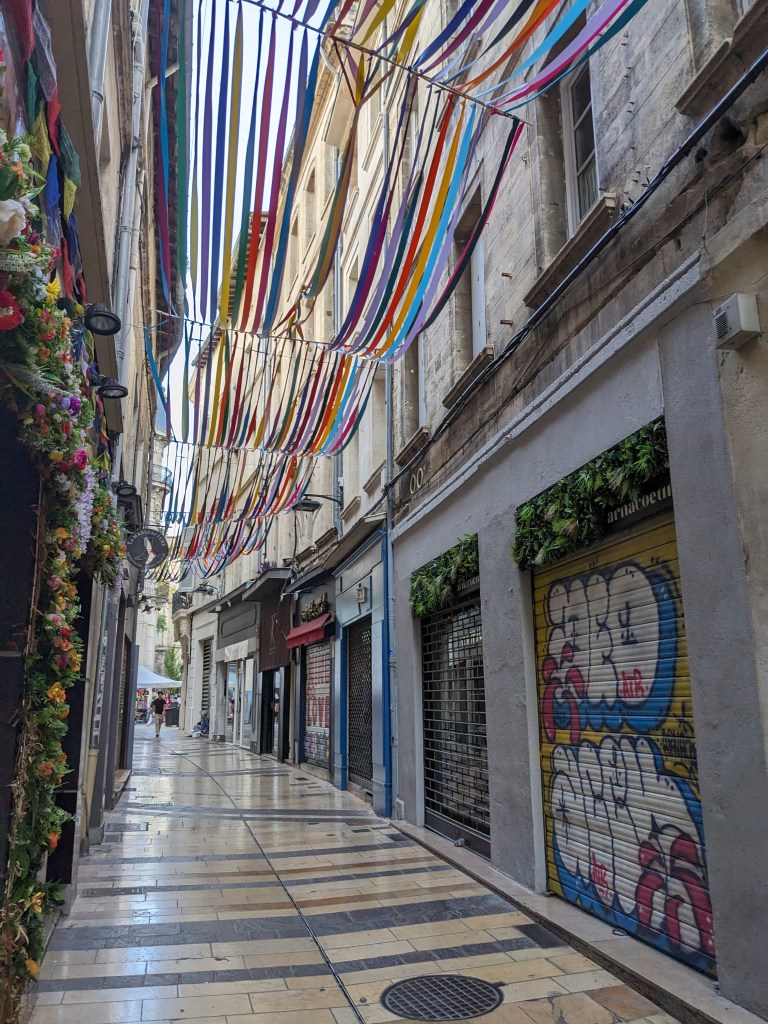
A walk down one of Avignon’s many medieval avenues naturally follows after my market trip. It is remarkable how well preserved the city is, and how many of the streets are reserved exclusively for people. There are shopkeepers handing out truffles, stores with cheeses I had never heard of, and plenty of brightly colored gelato to go around. My favorite wine bar is just down the alley, but we’re not headed there just yet.
There is something comforting about each building being human-scale. There are just enough restaurants and shops to find a new one each day, but never enough to overwhelm you. The city is knowable, or at least approachable, as compared to a metropolis. It is realistic and down-to-earth in a way other more famous locations nearby – like Monaco or Nice – simply are not. I found Avignon struck the perfect chord between a walkable city and a charming village, without the pretentiousness of “Southern France”.
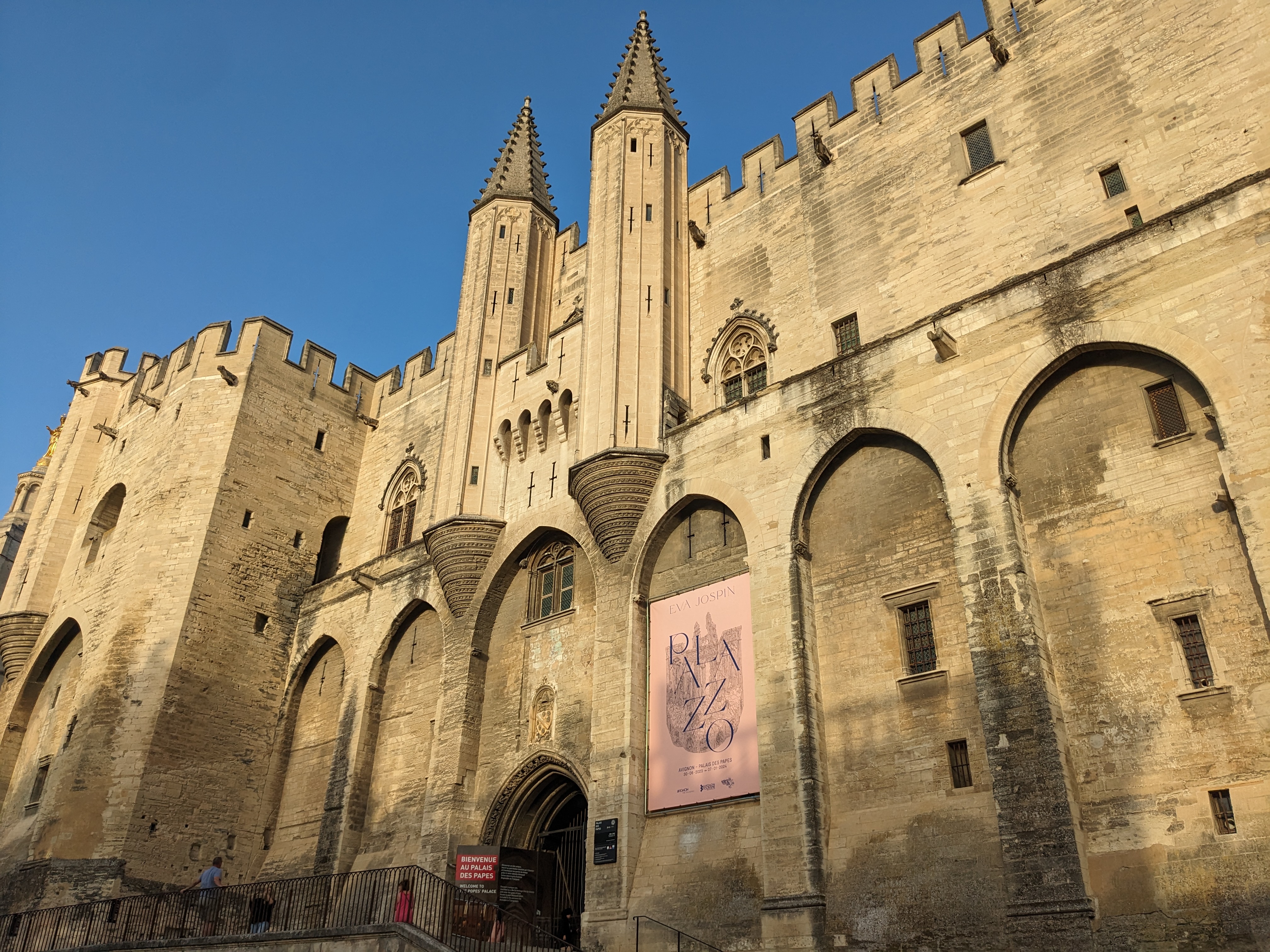
I meander down a familiar street, then an unfamiliar one, and I end up near the Pope’s Palace. I was personally not a fan of the interior, it is rather sparse and incredibly hot and stuffy, but the outside is as impressive as can be.
Passing through another cool breezeway, by a lavender merchant, then another truffle shop, I search for a bench near Avignon’s most famous landmark to have a seat and people watch.

Pont Saint-Bénézet, or the Pont d’Avignon, is the bridge that once literally connected two separate kingdoms. Control over that bridge was of utmost importance to both powers, and fortifications were built on either side. This river, these towns, were once the border between the Kingdom of France and the Holy Roman Empire. Avignon was more associated with the Vatican than Paris for much of its medieval history.
There is a very famous French folk song about dancing on the bridge, so don’t be surprised to see people posing, frolicking, and taking photos here. The stones no longer span the river – that connection has been lost to time – but the two once disparate regions have been united for hundreds of years now.
On the Avignon side is the massive and sprawling Pope’s Palace. Its edifice dwarfs all other constructions in the city. The castle was not just built for a king, but a Pope. Clement V refused to move to the Vatican and instead chose to reside here, in Avignon. For the majority of the 1300s, the Popes ruled from this palace instead of the Vatican.
After a while however, the Vatican came calling. The claims of two Popes, one Vatican-based the other loyal to Avignon, led to a fracture in the church and to one of the most interesting terms I’ve come across, The Antipope.
On the Villeneuve-lès-Avignon side, opposite of Avignon, resides an ancient monastery alongside medieval fortifications of the Tour Philippe-le-Bel. The Tour, or tower, was expanded to counter the growing Papal powers. It marked the edge of the French kingdom.
Earlier in my stay I enjoyed the cool calm of the monastery gardens on the hilltop on the opposite bank. The views across the Rhone were spectacular, gazing over the river to the palace and Avignon’s still-standing medieval walls presented a formidable and regal reflection across the water.
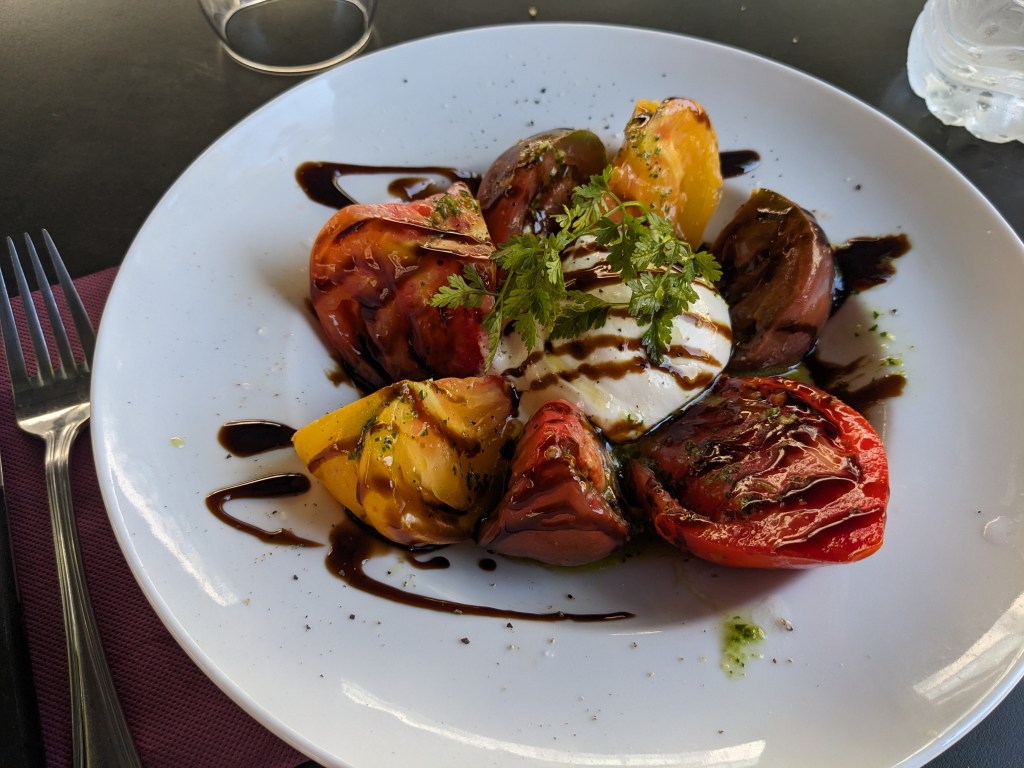
I was introduced to the simple delights of ripe tomatoes, pesto, and burrata cheese in the main square of Villeneuve-lès-Avignon. The dish was a revolution. I was full but not tired. Energetic and ready to continue my day walking miles around the ancient towns. Simple things done right define the cuisine.

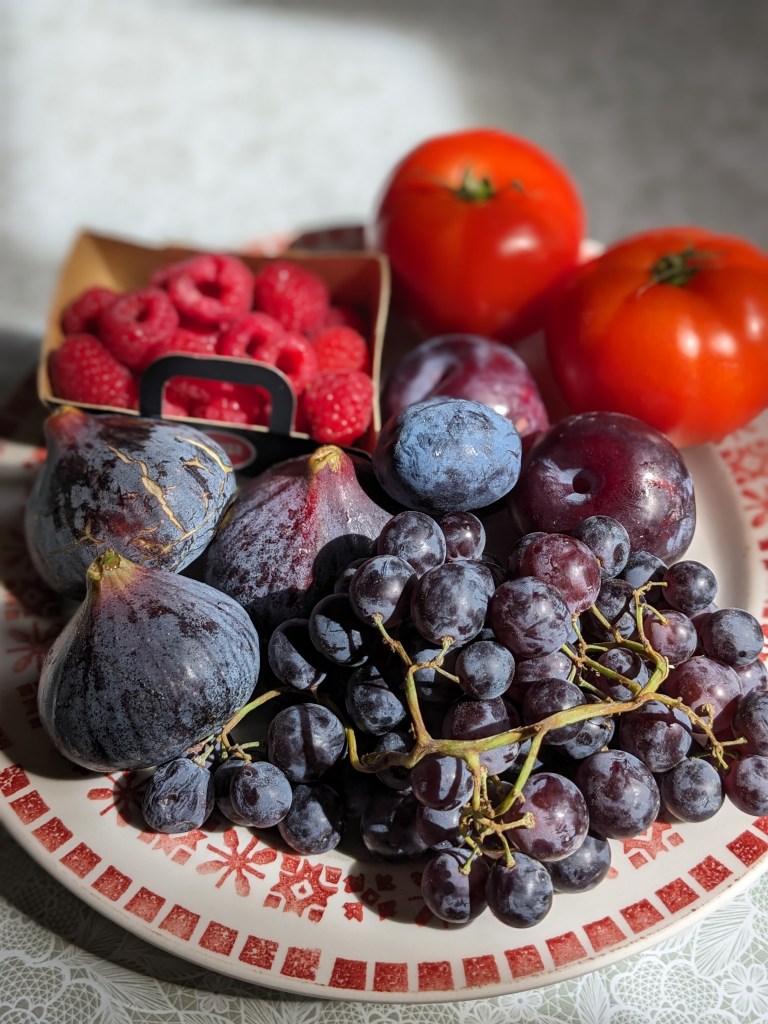
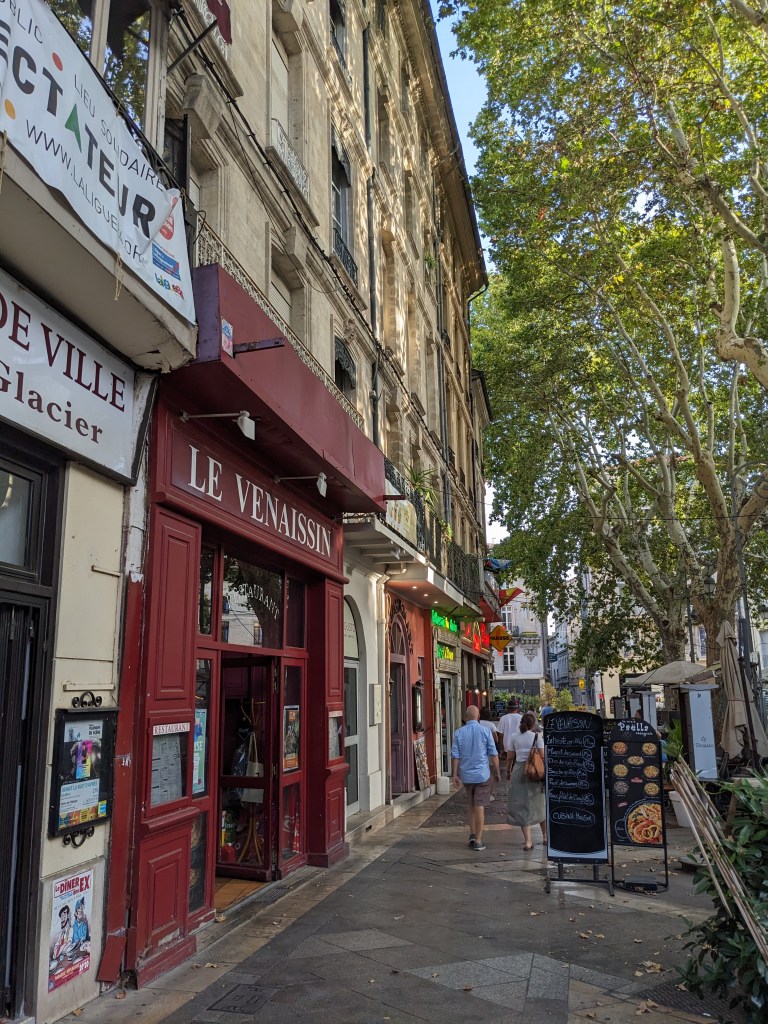

Shopping stalls and market hauls
People eat seasonally here. I observed the subtle shifts in vegetables and fruits featured on menus as the month went by. Tomatoes and burrata, on every cafe menu board when I first arrived, were giving way to a heartier beef daube by the time the weather was shifting.
The Mediterranean diet is said to be one of the healthiest in the world. Fresh, seasonal produce. Olive oil. Lots of local seafood. Salads that aren’t just beds of lettuce. Olives, cheeses, figs, wines, pesto. Locally to Provencal, add on truffles, herbs de provence, tapenade, and ratatouille. To me, it seems Provence shares the best of all European cooking worlds. Spanish paellas, fresh ham, and tapas bars are abundant. Italian prosciutto, cheeses, and fruits are always nearby. French preparations, sauces, and attention to detail complete the culinary picture.
Speaking of, it is time for a snack. Just off the main plaza, down one of the slick yellow stone streets, past yet another tapenade shop, and after the fragrant flower stand, is a smaller plaza. Herein resides my favorite spot to people watch. It sits on the path from the main plaza to the market square, making it a popular route for tourists and locals alike. The bar with outdoor seating that takes up half the small square makes a very solid Negroni. Along with some olives and potato chips, I’m content sitting here and jotting down ideas for an hour or two.
Nearly everyone passing by is so fashionably well dressed. Except for those in all denim, a trend I thought died in the 80’s – I’m not a fan. Everyone is beautiful and stress free, even those with jean jackets, at least through my rose colored “pretend-I-live-here’ glasses.
Fortunately the tourism department for the region provided me with a press pass to many of the local attractions such as museums, the Palace, the monastery, and more. There are some benefits to being a writer still. This allowed me plenty of freedom to plan my days to avoid busy times or any lines.
Just about two blocks away, through a smaller alleyway and another even smaller square, is a welcoming wine and tapas bar. They never minded that I was a table for one in their lively space. The fruit forward roses gave way to earthy reds as the sun set. I would sometimes double dip, and come back here after dinner for their cheese plate. I cannot pass up a post-meal French cheese plate. Brie, Bleu, and some hard cheese is a perfect ending to an evening.

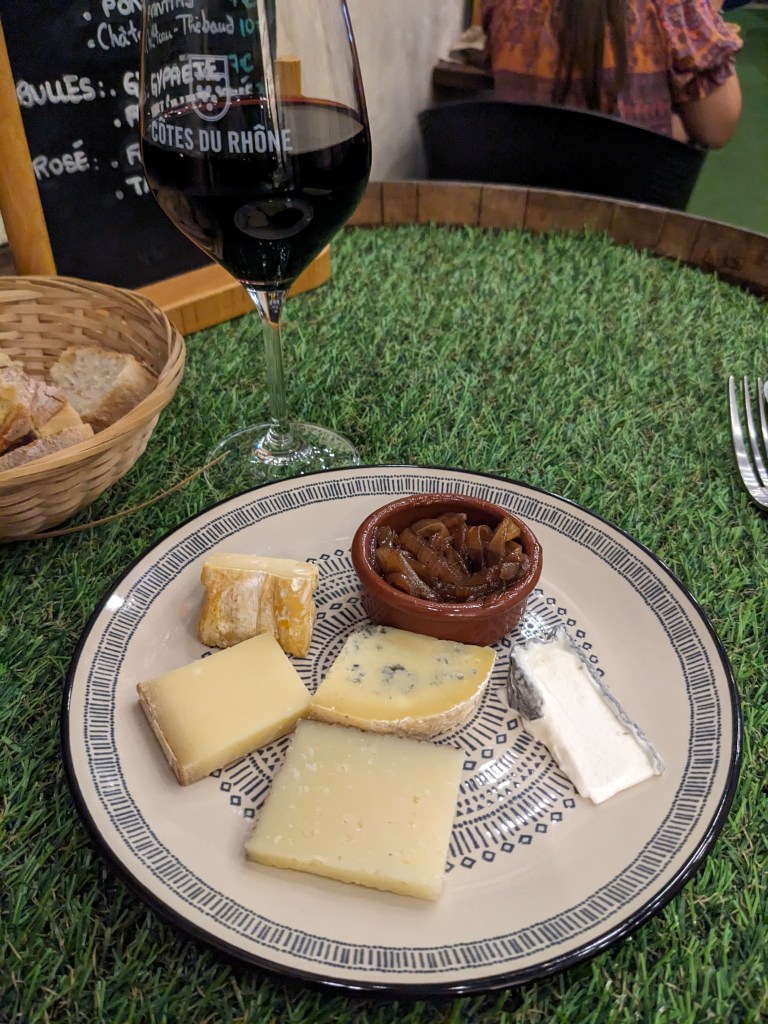
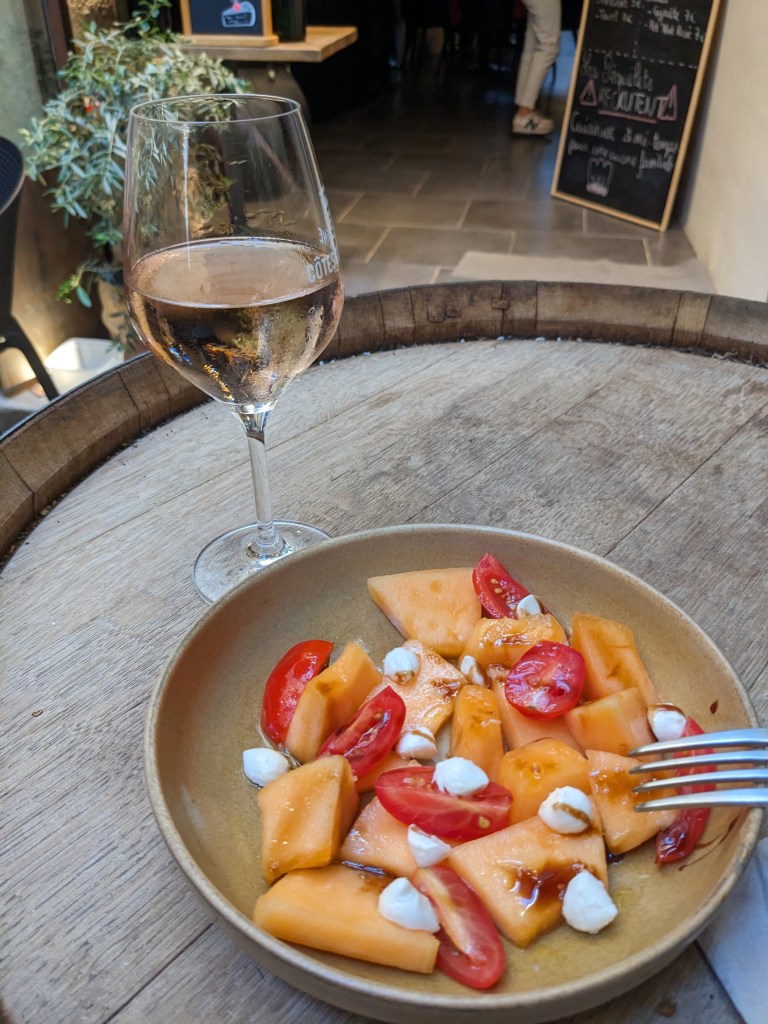

Vino et Tapas, French style
Dinner can be several things. Some nights I cooked at home with local pesto, fresh truffles, and French cream. Some nights I craved a simple late night gyro plate with fries. Classic French bistros were always on point. But the true stars of the show are the abundance and affordability of Michelin style restaurants. Some had actual stars, some were “just” on the guide, but mirroring nearly everything here, it was an experience within reach of the average person. It was not too much of a financial splurge to have a chef curated meal a few times each week. The plating, the pairings, and the immaculate sauces made dishes I would have never dreamed of come to life.
The beauty of it all is the atmosphere. The restaurants are formal but not stuffy. Tables are for two, four, or maybe six people. A few French phrases, some genuine compliments, and any veil of the stereotypical rude waiter drops away to reveal someone who is immensely proud of their culture, tradition, cuisine, and chef. Sitting in a plaza, on a small metal chair, with a table barely large enough to fit three plates is my preferred way of having a fancy meal, rather than the white-glove old-world style service in many Michelin-oriented spots.
Nightlife in Avignon for me consists of strolling through town and meandering back towards my apartment. The street with the waterwheels is my choice tonight. I pass a young couple cuddling on a bench, an older couple walking arm in arm, and a group of middle aged men smoking and laughing outside a small tobacco store. It feels knowable, walkable, and safe. Slow but intentional. Things to be done, but never in a hurry.
Shops close around 10pm, unless they don’t. People linger without loitering. Or maybe they close early if the clerk has plans for the evening. There is a natural and calming rhythm of life to be found if you have the time to invest seeking it.
Sleep calls. The soft sounds of the evening drift in my open windows. Lovers making their way back home, tourists looking for a late night drink, and restaurant workers finally done for the night combine to form the sounds of the midnight ecosystem. I find myself in my natural habitat and drift to sleep.
I may never recover from my time in Avignon. Coming home was heartbreak. But that is the point of traveling and exploring. I’ve grown. I have such a nostalgic longing for my brief time in this town. I have no idea when I will return, and if I do, will it ever be the same? People change, cities grow, economies ebb, and life changes us all. I blink and in an instant I’m not French. I do not live in Provence. Avignon, she is just a memory now.
I long to return, but is reconnecting with an old flame ever the experience you envision it to be?
Still, isn’t it better to have loved and lost than to never have loved at all?




Enter your email to subscribe to our adventures:
Don’t forget to follow on Instagram for the latest updates.

 Now We Explore
Piękny artykuł, idealnie opisuje Awinion który jest w moim sercu. Wspaniałe zdjęcia i dopasowane opisy tworzą spójna całość. Dziękuję że mogłam wrócić do wspomnień.
LikeLike